Showing posts with label series. Show all posts

Friday, September 7, 2012

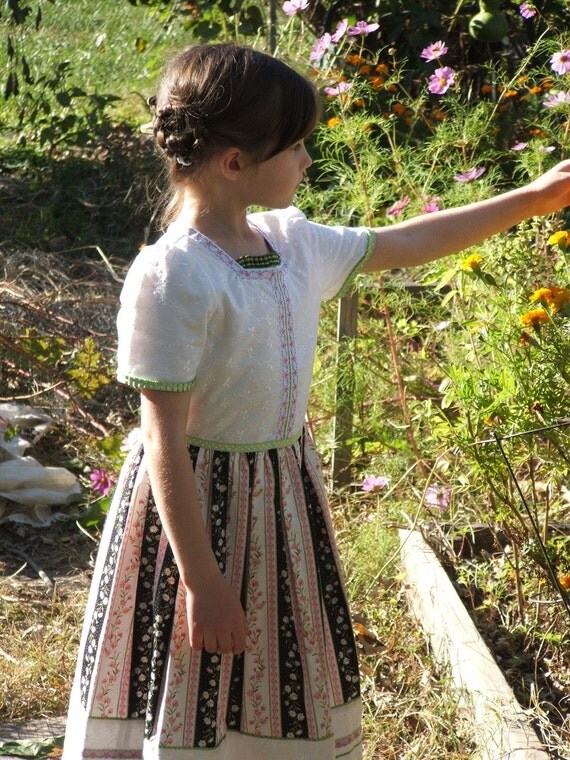
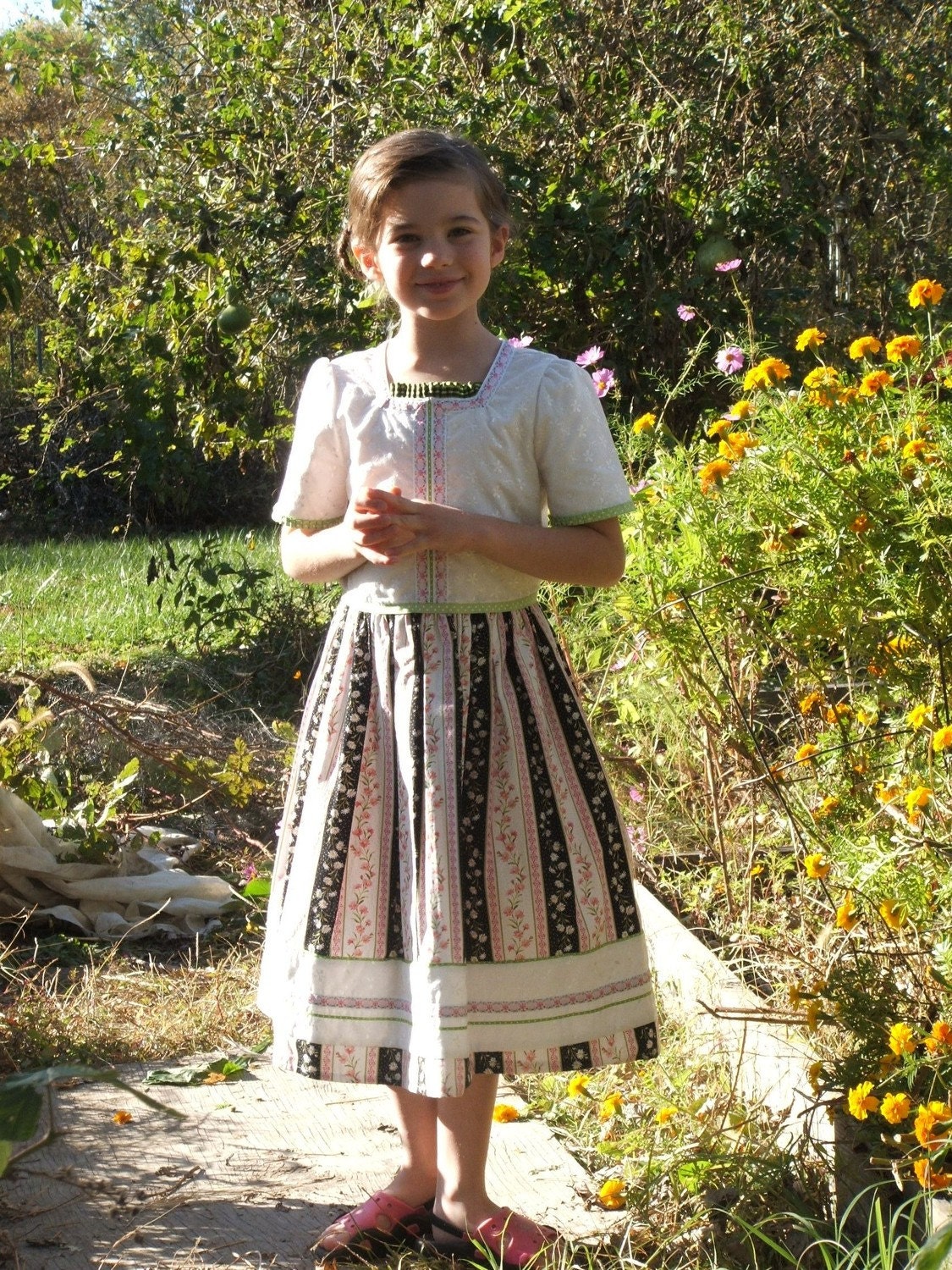
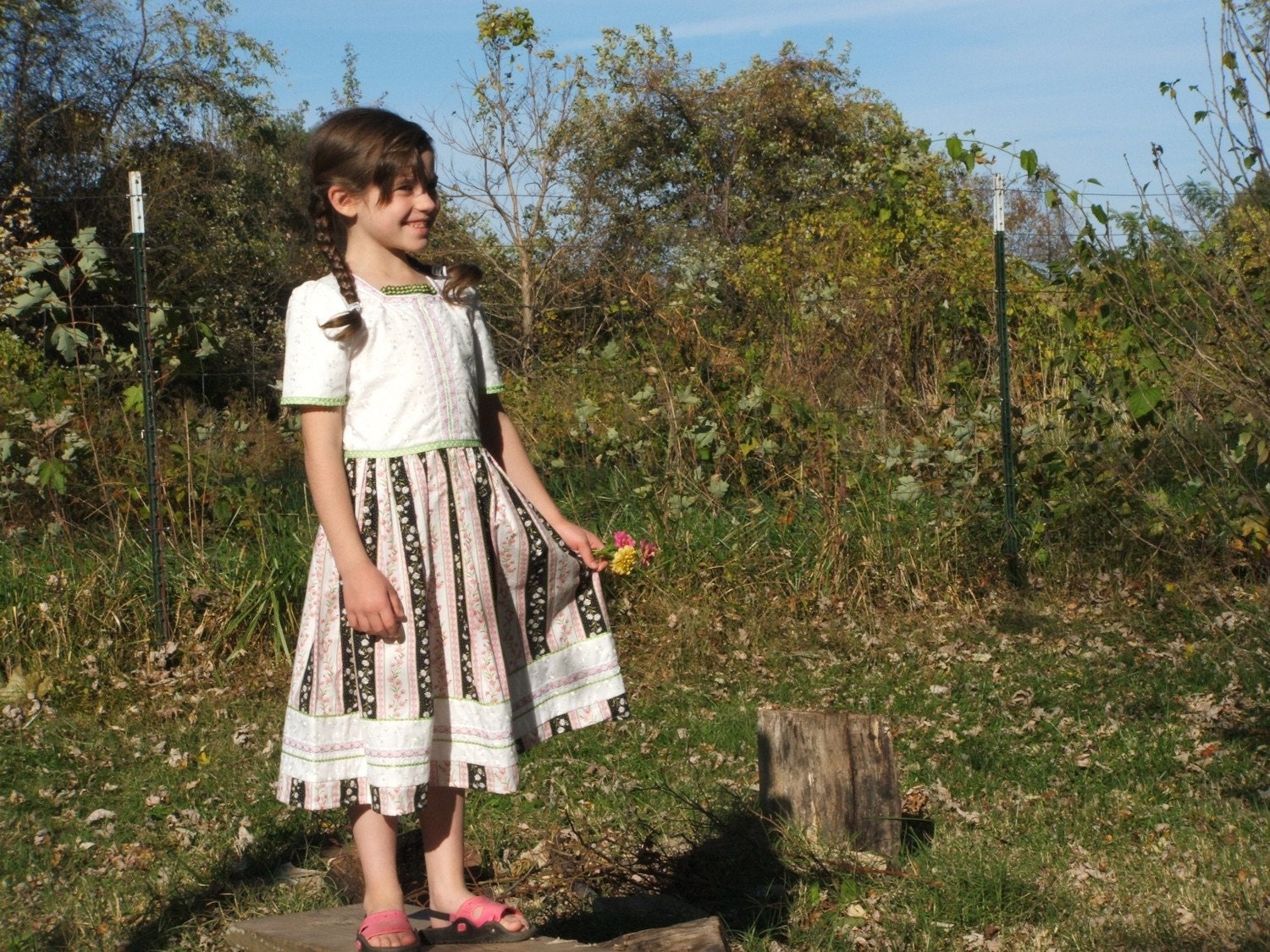
Denmark...little dress I made based on a folk costume!


DANISH DIRNDL DRESS - Girls' size 7

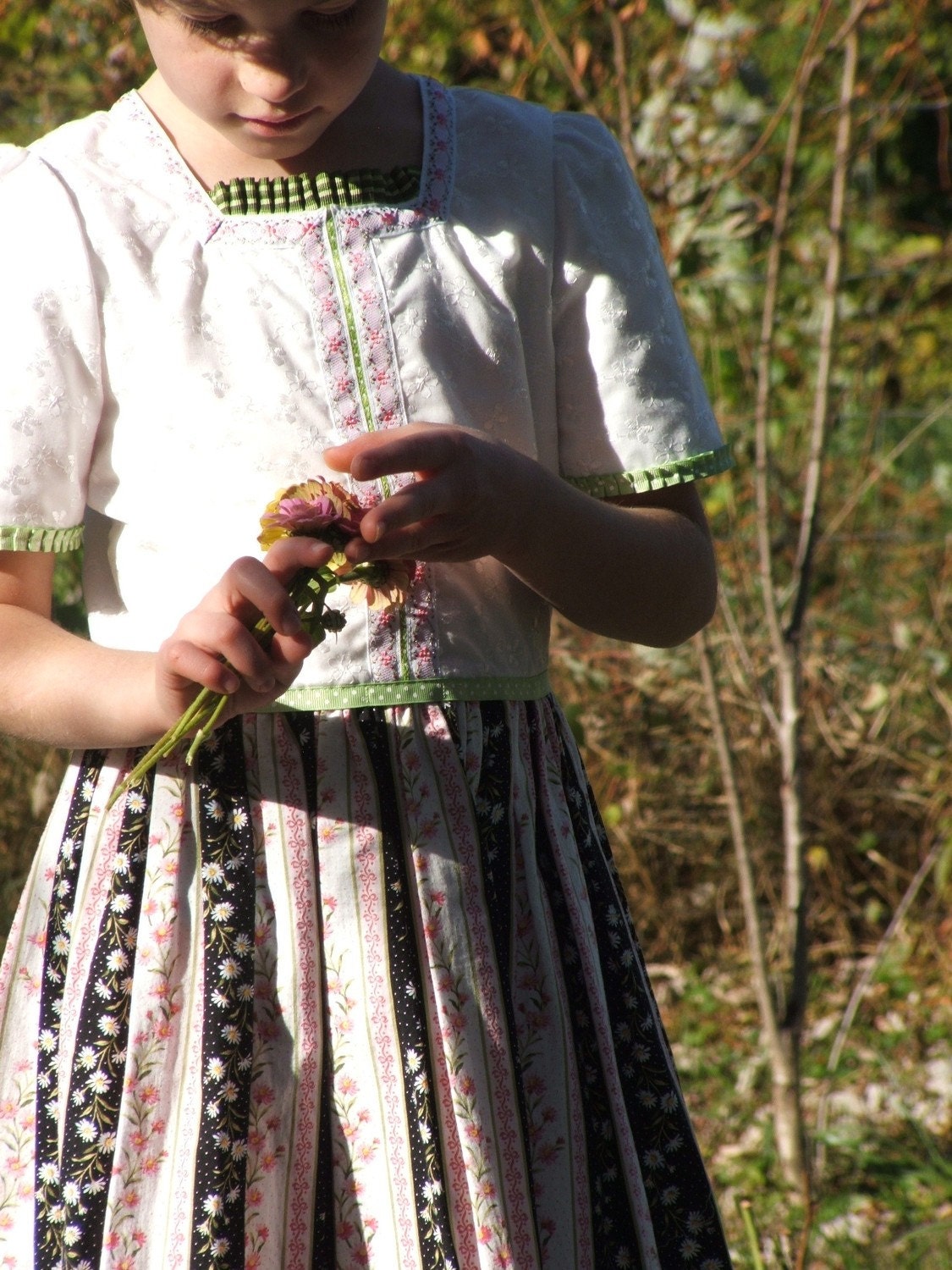
This week we are up to the letter 'D'....for which we will look at a little Danish dress I made a couple years ago! Based on an authentic Danish costume (unfortunately not shown) from the Falster region of Denmark, little girls love this light-hearted version of a folk costume.
 It has a little bit of everything: pleats, flowery trim, embroidery, stripes, polka-dot ribbons, and daisy chains! I sold it early last year. To see more of my work, please do visit my Etsy shop: 
Plume De Nikola! I love making folk-inspired dresses for little girls!

DANISH DIRNDL DRESS - Girls' size 719th Century Woman

DANISH DIRNDL DRESS - Girls' size 7
(Pictures were taken by my sister of Mazzou's Photography!)

DANISH DIRNDL DRESS - Girls' size 7

Danish Lady Tile 6x6


Thursday, August 30, 2012

Croatia... one of my favorite countries!


                                  WHAT IS CROATIA?...


''The Land of a Thousand Islands''

''HRVATSKA'': a land where you will discover....

                                             ...Medieval hilltop castles and fortresses...

...ancient roman ruins....


...golden cities...


...halcyon lakes and swift waterfalls...

A land with a rich culture, mild climate, warm & friendly citizens,
beautiful folk dress, music and dance....
This is Croatia!


No longer a kept a secret under the ''mysterious'' title 'Yugoslavia', this jewel of a country now shares its rich history, beautiful traditions, and breath-taking wealth of natural beauty with the world...

*Croatia is home to a diversity of musical styles and influences, while at the same time the land is bound together in its own unique characteristics.

The national instrument, the Tamburica, has been played in every region for centuries, beginning as a solo accompaniment for songs and dances, and by the 18oo’s, widening it’s virtuosity to ensembles of thirty or forty musicians- The Duquesne University Tamburitzans are one such group. The members of the tambura family vary greatly in shape and size....


 ....including the mandolin-like prim, and its smaller version: the tiny bisernica, as well as the larger guitar-sized bugarija, celo, and brac. The largest, called the berde, is the size of a cello.

All over the country their irresistible strains conduct lively Kolos, or circle dances, the most popular dance of Croatia which is comprised of much precise and intricate footwork.

Video by Mazzou for promotional purposes.... Duquesne Tamburitzans 2008

Photo by Duquesne Tamburitzans

See similiar ones here
 In the Pannonian plain region of northern Croatia, a Primas, the most skilled musician of his village, plays as town’s people, the women in brightly beaded costumes and leather slippers, whirl in a tightly locked circle. With some differences from region to region a man’s costume typically consists of a long white shirt, which flares out slightly beneath a short black or red vest. This shirt covers a good part of long, loose, white pants, which in turn hide the rims of black boots. Occasionally, a long, brightly hued kerchief is knotted around the neck. This is the forerunner of today’s neck tie which gained popularity after the French adopted it and called it the croat, their word for croat. The northern region of Medimurje displays its riches at festivals and wedding celebrations where men accompanied by female dancers clad in short full skirts,
3 Tamburitzans wear Medimurje costumes,

which are influenced by costumes from neighbouring Hungary.

Photo by Duquesne University Tamburitzans.
embroidered blouses, thick shawls, and tall boots, perform their kolos with much twirling and stamping depicting the influence of their Hungarian neighbors.

Dario Barisic, a graduate from Duquesne University Tamburitzans,
 and a native of Slavonija, Croatia,is an amazing musician and vocalist! 

The Croatia region of Slavonija, a treasure chest of musical jewels, has inspired dozens of beautiful Tamburitza tunes and various styles of songs.


Rolling in and out with the waves of the Adriatic, sea songs from Dalmatia on the coast lend a fresh, carefree musical style to their country.

The customs and art of these areas and many others all come together to paint for us a vivid portrait of Croatia, the land of the Tambura.

All photos are used for promotional purposes- please do not download any of these pictures.
For similiar posts, go Here
or here


Friday, August 24, 2012

Bulgaria....a brief look at this rich country 's folk costumes


In May 2006, my family and I did a representation of our favorite Eastern and Southern European countries for our homeschool group. We dressed in our homemade costumes based on the ethnic costumes from our favorite countries, and gave introductions to various countries through paragraphs like the one below, and movie clips of the folk dances, songs and musical instruments! Without further ado, here is a short write-up about this week's country: 

BULGARIA
 By Nikola- Spring 2006

Rose picture by 

Bulgaria, which lies just south of Romania, overflows with wheat, fruits such as watermelons and grapes, vegetables such as peppers, and, as a leading production, roses.
Remembering their traditions with pride, Bulgarians hold many festivals complete with traditional dress, folk music, and dancing. 
Duquesne University Tamburitzans 73rd season


     A basic women’s costume begins with a long- sleeved shift made of raw white silk, trimmed with fine lace, and embroidered with red geometric designs and flowers. Over this is worn a short colorful skirt or sleeveless dress and a thick, narrow apron, both also elaborate in decoration. A belt of two or three large, intricately tooled medallions, coin necklaces, and golden jewelry dangling from the extravagant beaded headpiece, display Bulgaria’s fine craftsmanship. Simple leather or pigskin sandals are worn with brightly coloured socks.


/
    Into some regions, the Grecian kilt has found its way, but typically mean wear a white shirt with embroidered bands at the cuffs and neck, and soft off -white or dark brown trousers embellished with black braid. The short vest varies and may be brown, red, black, or blue. Around the waist is a very wide belt often of striped fabric, and halfway up the pant leg are thick woolen socks tied with leather strings. Lastly, a tall sheepswool hat called a tarboosh completes the costume.

 Dressed such, Bulgarian folk dancers create a dramatic picture as they fly to the sound of drums, long shepherds flutes, goatskin bagpipes called gaydas, and the gadulka, a small stringed instrument held upright and played with a bow.


 Perhaps the most representative dances are those of the Shope region. Showcasing an amazing store of energy, joy, and passion these dances burst forth to us in a captivating portrayal of the Bulgarian spirit!


Friday, August 10, 2012

New Post Series!


I am starting a new series of posts, in which I talk about a different country of my interest each week! We have done quite a bit of researching and studying of different countries, so I look forward to sharing folk costume pictures, folk dances, recipes, as well as notes about geography and history!
Additionally, I will focus on the countries I have in mind alphabetically! Let's see how long I can keep this up! I am excited. I hope you check back weekly! I am aiming for Fridays or Saturdays!